Berat: A successful model of Integrated Waste Management in Albania
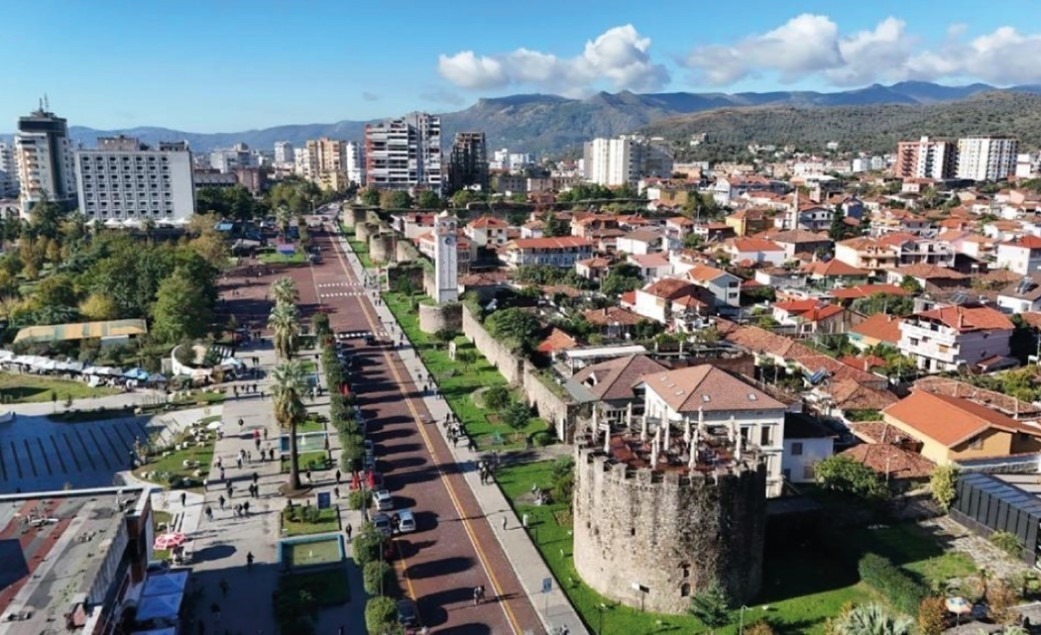
A historic city in central Albania and part of the UNESCO World Heritage, Berat has become an increasingly visited and sought-after destination for tourists and beyond. Stretching along the banks of the Osum River, this Ottoman-era city represents a true cultural and historical labyrinth in our country.
The Urban Research Institute, in partnership with Brooks Hannas & Partners (Serbia), and with funding from the Swedish International Development Cooperation Agency (SIDA), in cooperation with the Municipality of Berat, with a total budget of €1.5 million (of which €700,000 were financed by SIDA), implemented the project “Source Separation of Municipal Waste in Berat Municipality” which was launched in May 2021.
This project, now with consolidated results in the field of waste management, has demonstrated a tangible impact and a successful model of intervention at the local level.
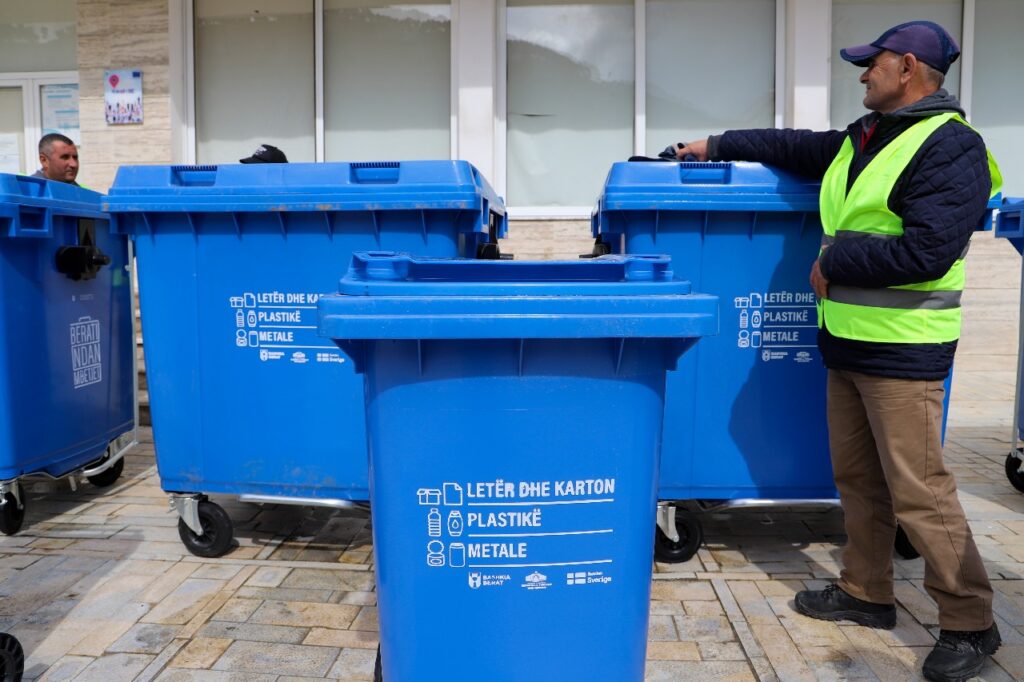
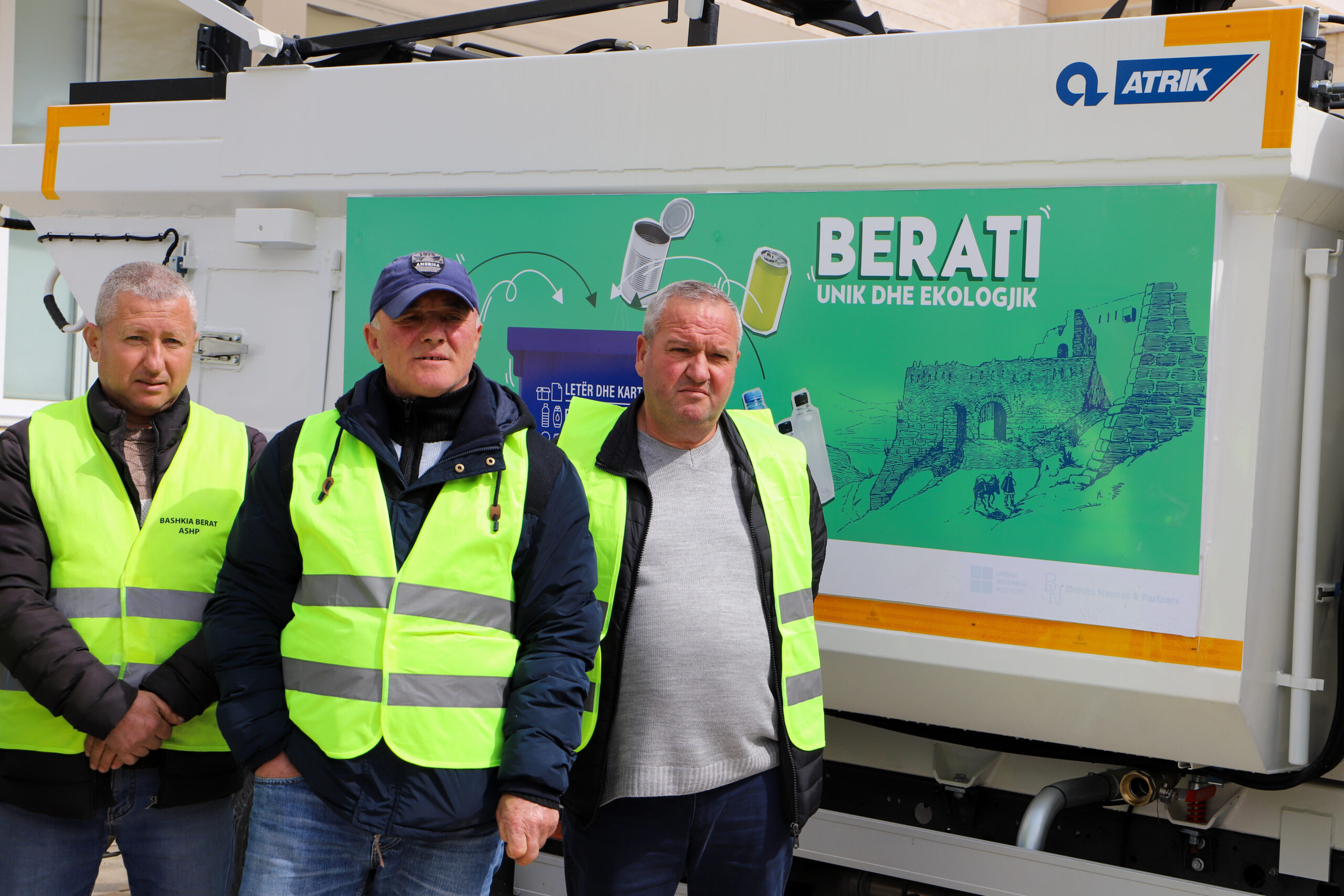
Residents and visitors of the city of Berat now benefit from a new and improved service through integrated waste management. A functional and accessible system enables recyclable waste, such as paper and cardboard, plastics, and metals, to be disposed of in blue containers and bins, collected by a dedicated truck, before being transported to the sorting center. At this facility, materials are inspected, packaged, and prepared for recycling. Meanwhile, mixed non-recyclable waste is disposed of in green containers and transported to the landfill.
In the first year of implementation alone (2021–2022), a survey conducted in cooperation with the company “Berat City Green” owned by the Municipality of Berat, shows a significant impact: out of 411 surveyed households and small businesses, 54.2% consider waste management a very important priority for the municipality, while 94% believe that waste separation and recycling can make Berat more attractive to tourists.
It is essential to emphasise that businesses, schools, and institutions have been integral to this initiative, equipped with dedicated containers and actively engaged in the process of waste separation at the source. Within the framework of the project, 14 businesses were directly involved in contributing to the implementation of the system.
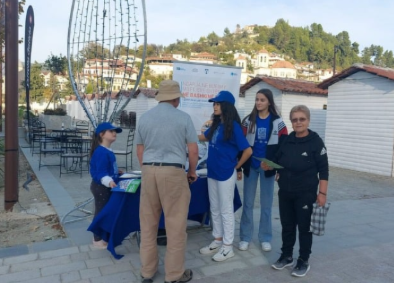
The Urban Research Institute, with its partners, has developed a series of awareness-raising and information campaigns on the ground. These were implemented through door-to-door meetings in the main areas of the city, the distribution of informational materials, and the organisation of targeted training sessions on waste separation at source. In addition, the project has been accompanied by continuous monitoring and direct support for the beneficiaries in the city of Berat.
Between January and December 2025, the total amount of waste collected in Berat was 16,920.67 tons, of which 16,747 tons were collected and sent to landfill. The remaining 173 tons were collected for source separation as recyclable materials.
Of these, 146 tons were sold through a two-phase auction process in June 2025, generating approximately €9,000, and in December 2025, generating €11,000. Additionally, 9 tons of plastic were sold in another auction for approximately €2,800.
In total, approximately €23,000 were generated from the sale of recyclable materials collected from waste. According to information from the Municipality of Berat, these funds were reinvested in the city’s cleaning.
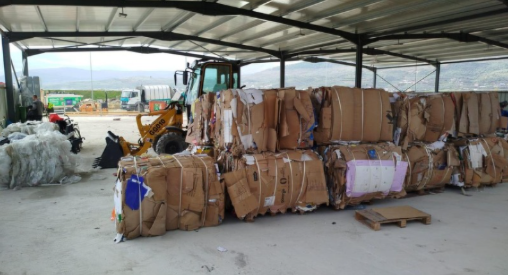
The Municipality of Berat, through its publicly owned company “Berat City Green”, proved to be successful in operating this system. The revenues generated were directly reinvested to improve public services.
Berat stands as a success story, where the involvement of civil society expertise, local and central levels of governance, as well as citizens themselves, has laid the foundations for a cleaner city and for an Albania more closely aligned with European Union standards.