“Berati Riciklon”: a new standard for waste management
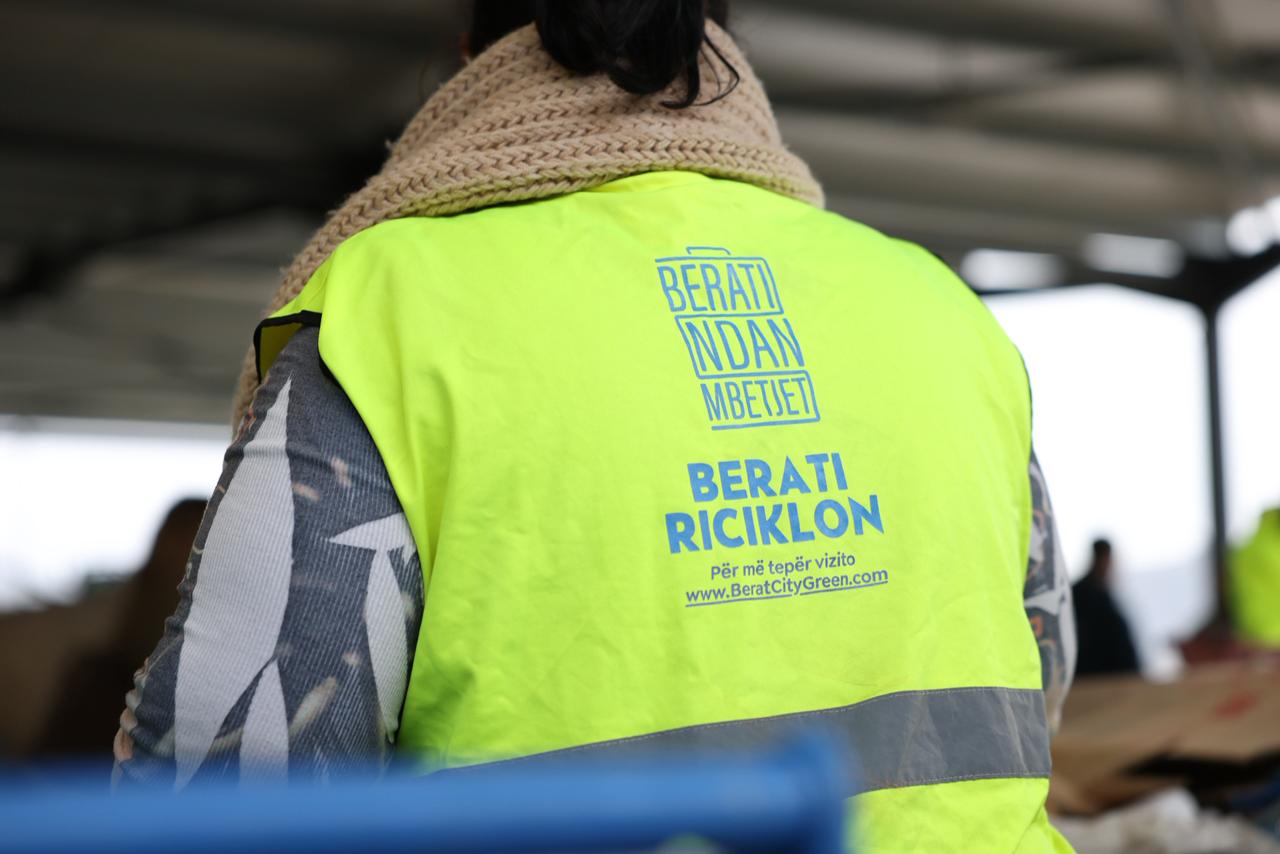
“Berati Riciklon” is consolidating as a success story and a replicable model for source separation of waste, not only because of its concrete results, but because it has set a new standard for how recycling is built and delivered as a public service: organised, well maintained, measurable, and connected to the market. In a sector where landfilling and short term solutions often dominate, this model is increasingly serving as a reference for other municipalities in Albania and for regional stakeholders.
Why this experience is seen as a standard
Waste management remains one of the most tangible challenges for local governance and quality of life in Albania. According to official INSTAT data, 862,241 tonnes of waste were managed in 2024, with an average generation of 360 kg per capita. The treatment profile shows that the system continues to rely primarily on disposal: 76.3% of waste was landfilled, while 18.8% was recycled and 4.9% treated through incineration with energy recovery.
In this context, the standard set by “Berati Riciklon” lies in the fact that it does not treat source separation as a sporadic initiative, but as a service with clear rules, operational capacity, maintenance mechanisms, and a functional value chain for recovered materials. This is the key distinction that makes the model transferable.
Results that underpin the credibility of the model
The experience in Berat is turning source separation into material that is genuinely valuable for recycling, building trust among citizens and institutions alike. To date, tangible results include:
- 140+ tonnes of cardboard recovered
- 8.5+ tonnes of plastic sold
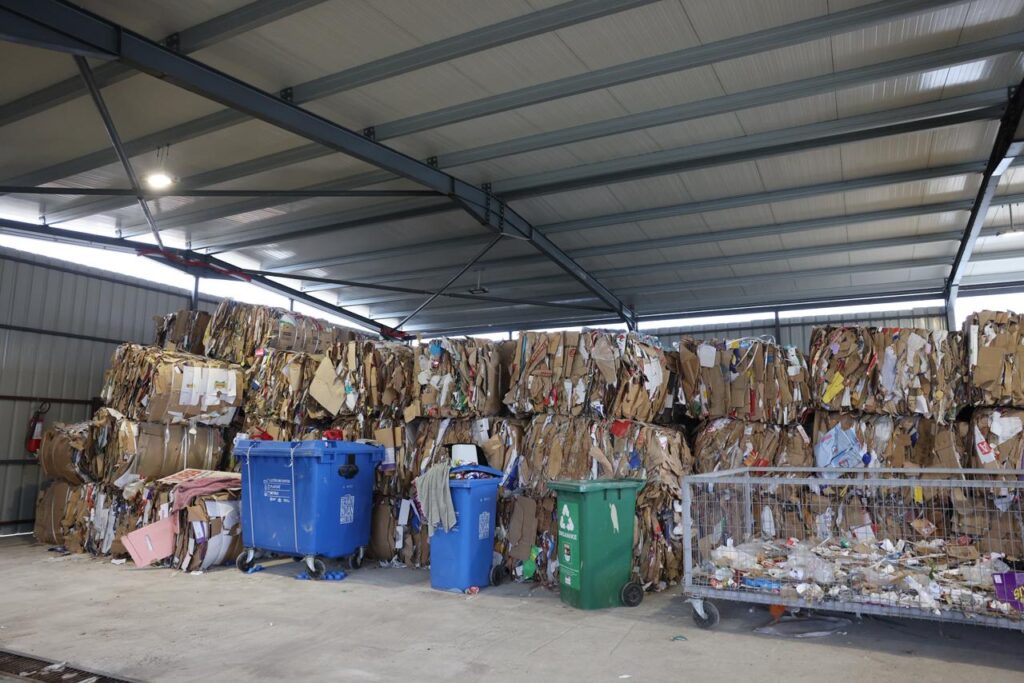
Cardboard is sold to companies producing cardboard packaging (boxes), while plastic is sold to operators who process it and convert it back into raw material. This direct link to the market is one of the elements that makes the system sustainable and credible: separated material does not “disappear” within the system, but is transformed into an economic product.
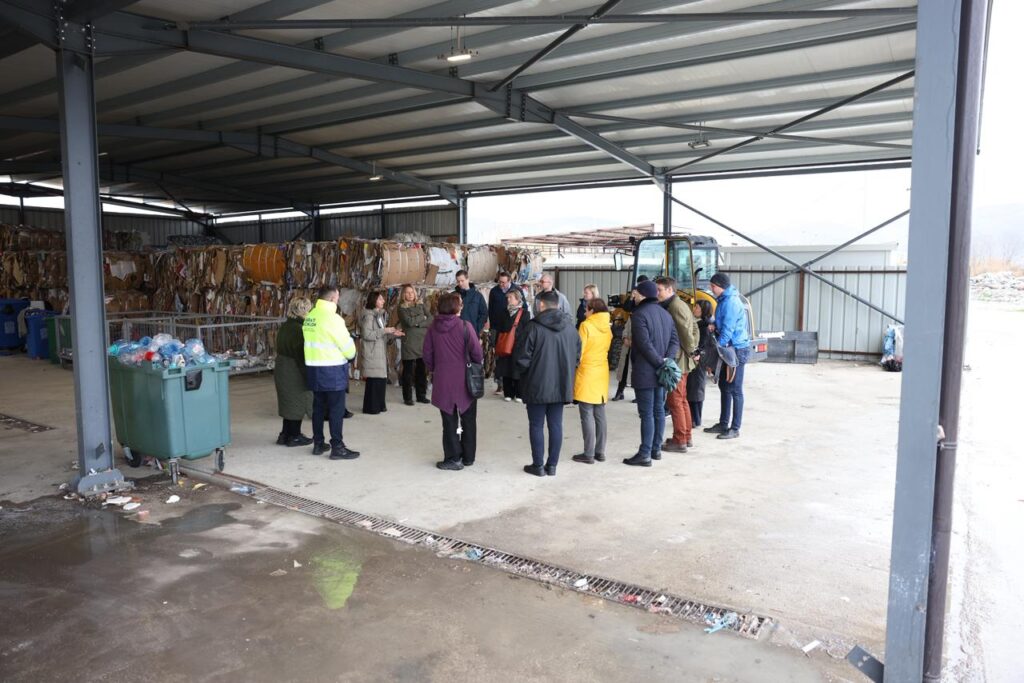
The study visit of 29 January 2026: seeing the standard in practice
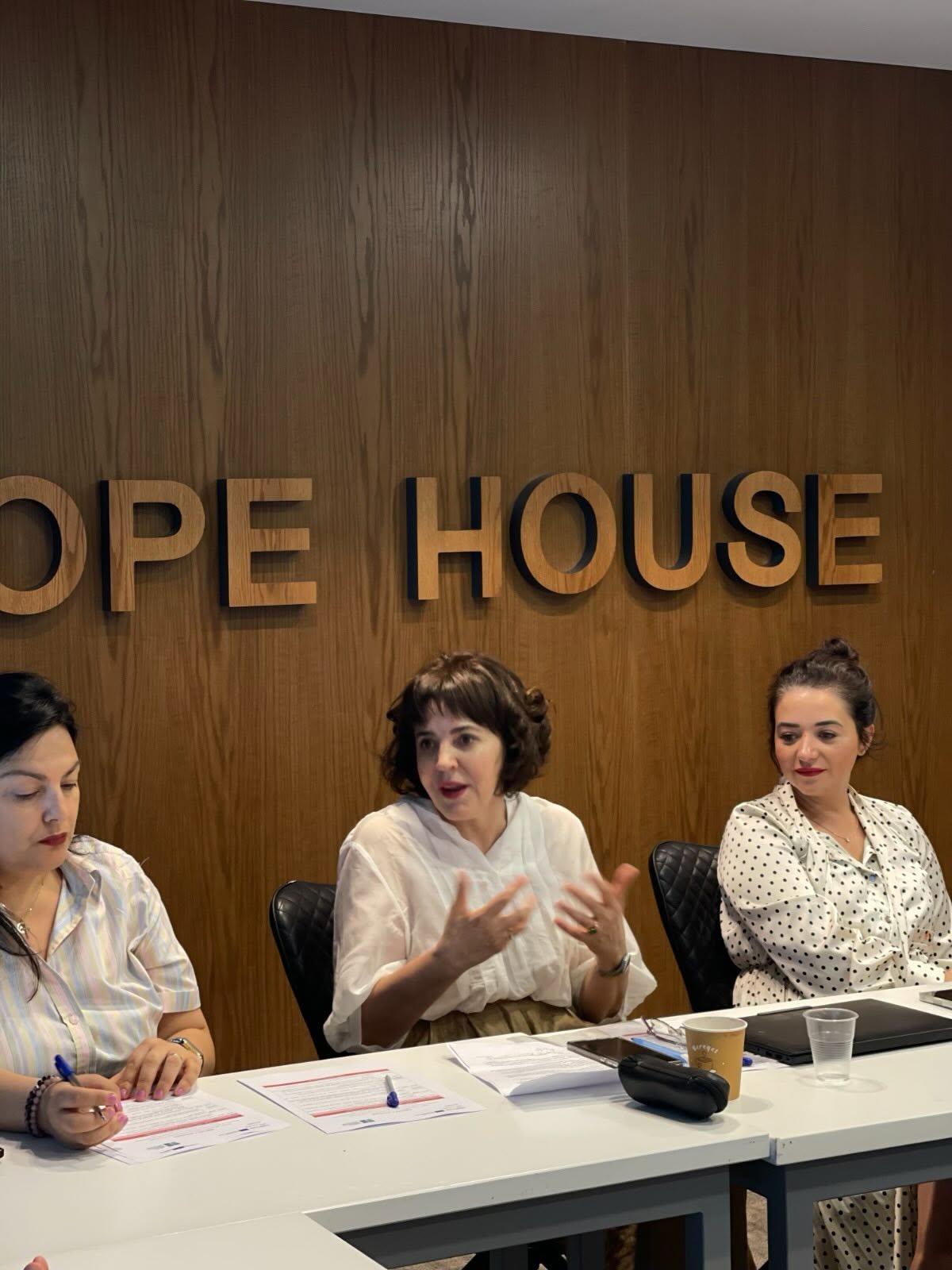
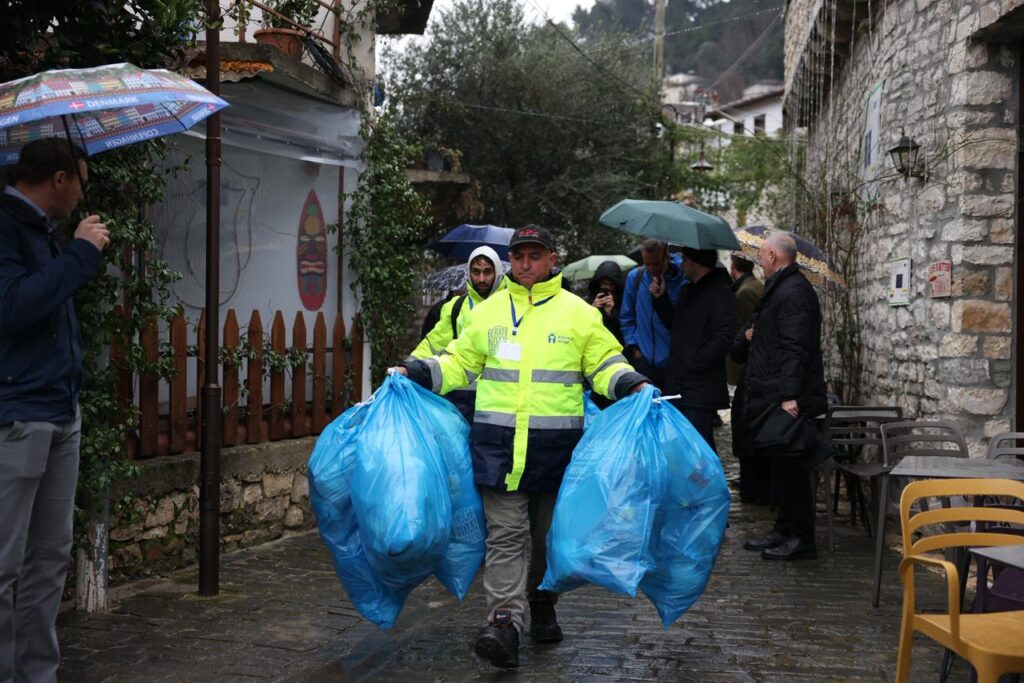
An important milestone in consolidating this experience was the study visit of 29 January 2026, involving representatives of Swedish embassies in the region, during which the established system and its practical functioning were presented. The visit focused on how the service has been built and how its quality is maintained over time, beyond the pilot phase.
Discussions addressed the elements that make the model reproducible: door to door organisation, continuous education of citizens and businesses, and the mechanisms used to maintain the system. It was emphasised that the service does not rely on temporary actions, but is integrated into municipal services, with maintenance financed through the waste service fee, ensuring operational continuity.
During the meeting with the Mayor of Berat, Mr Ervin Ceca, it was noted that the model has attracted the attention of the Municipality of Përmet, which is interested in replicating it. International interest was also highlighted, including from the Republic of Armenia, and a further study visit led by the OSCE was announced, focusing on service organisation, documentation of results, and the linkage between source separation and market value chains.
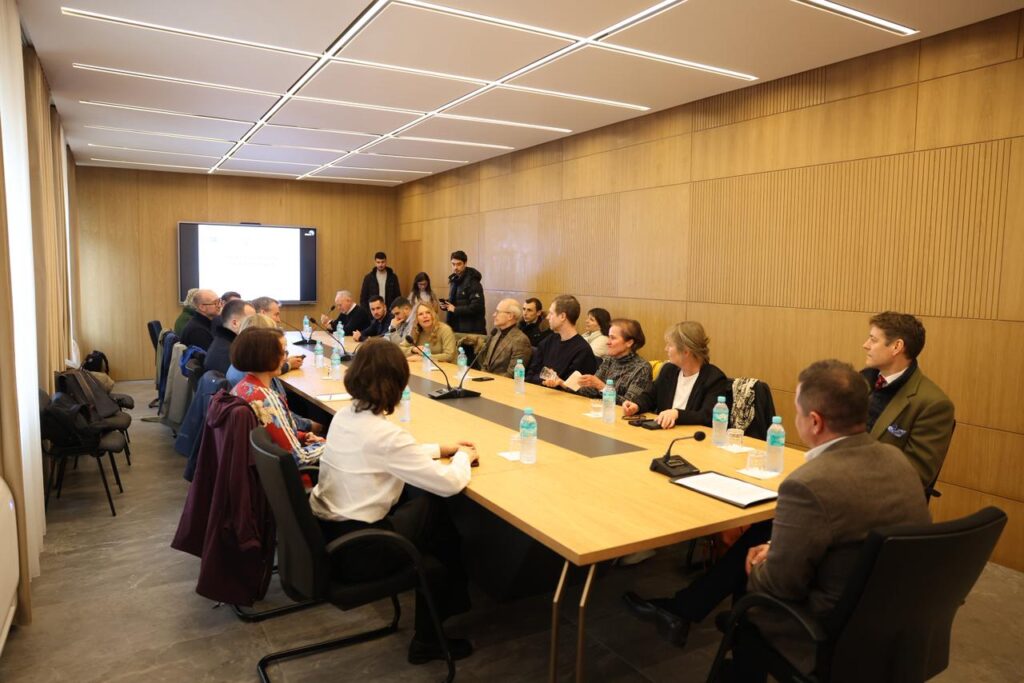
How the model was built and who made it possible
The model was financed by Sida / the Swedish Embassy and led by Brooks, Hannas & Partners (Serbia), with Urban Research Institute (URI) as the implementing partner and with the support of the Municipality of Berat for organising the service at local level. URI contributed to the development of the source separation methodology, technical assistance and capacity building for local and national authorities (management, replication, and monitoring of material flows), as well as to the public communication package supporting the rollout, implementation, and follow up of the model.
For operational implementation, the Municipality of Berat established the company BERAT CITY GREEN – BCG SH.A, as the structure responsible for managing the service and the sorting facility, as well as organising recovery processes and placing materials on the market.
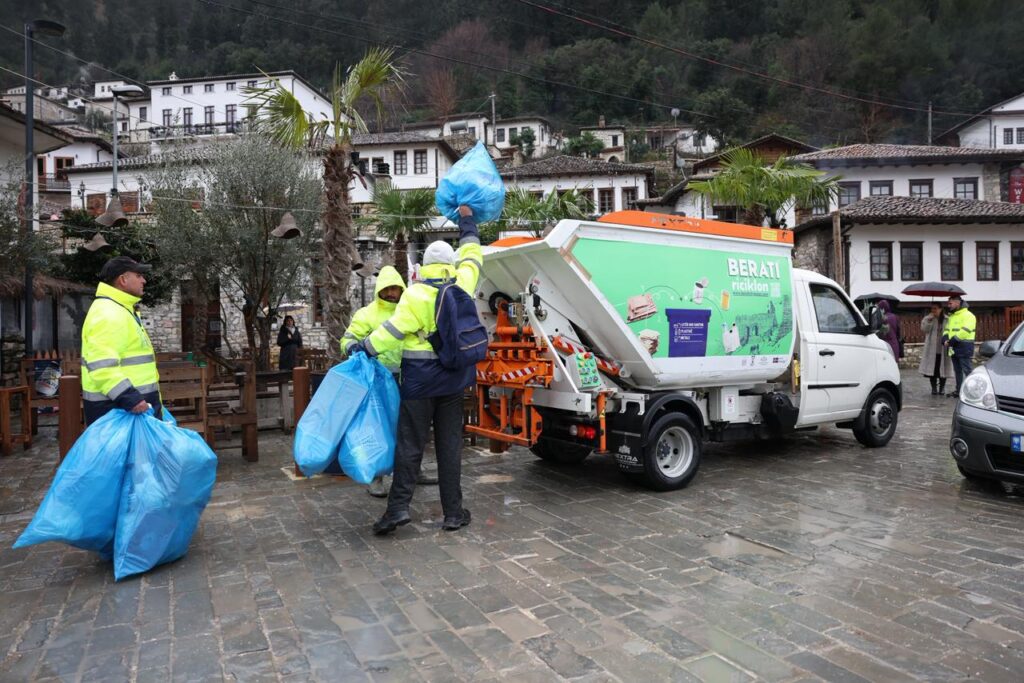
What Berat’s experience shows for Albania and the region
In a country where landfills remain the primary destination for waste, “Berati Riciklon” demonstrates that results come when the system is built as a service: with clear rules, operational capacity, continuous community engagement, and a manageable value chain for recyclable materials. This is why the model is increasingly seen as a new standard for waste management in Albania and a reference for the region: it demonstrates not only that source separation is possible, but that it can be sustainable, measurable, and replicable.