URI Participated in the “Accessibility in Practice” Training within the Art4All Project
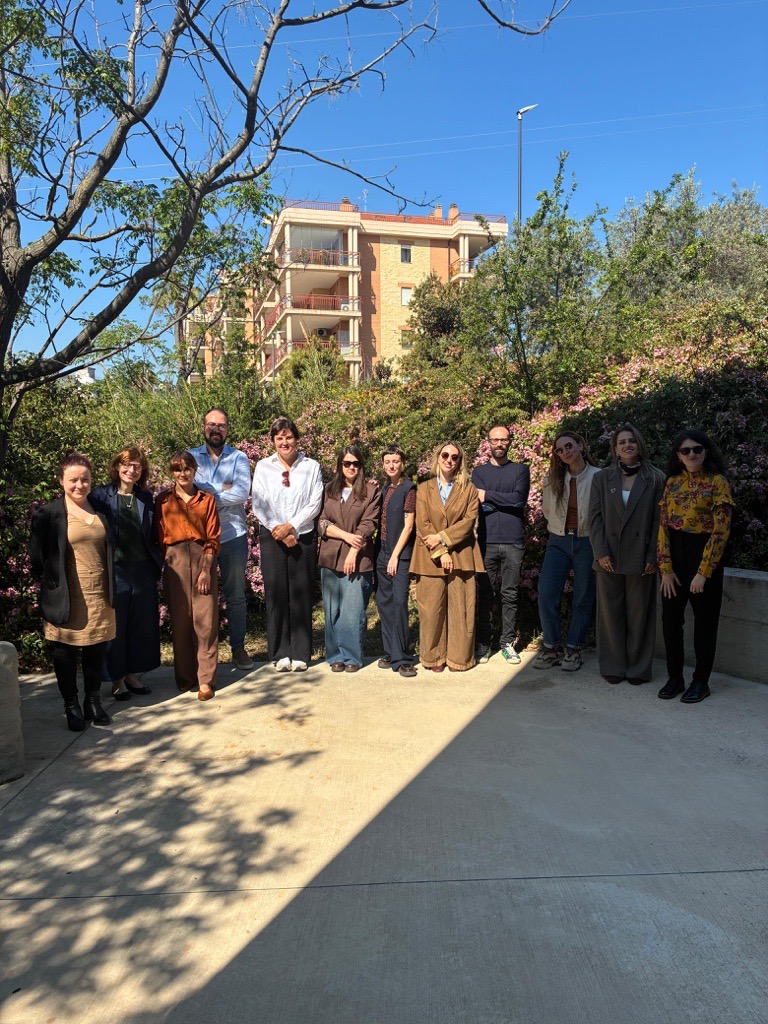
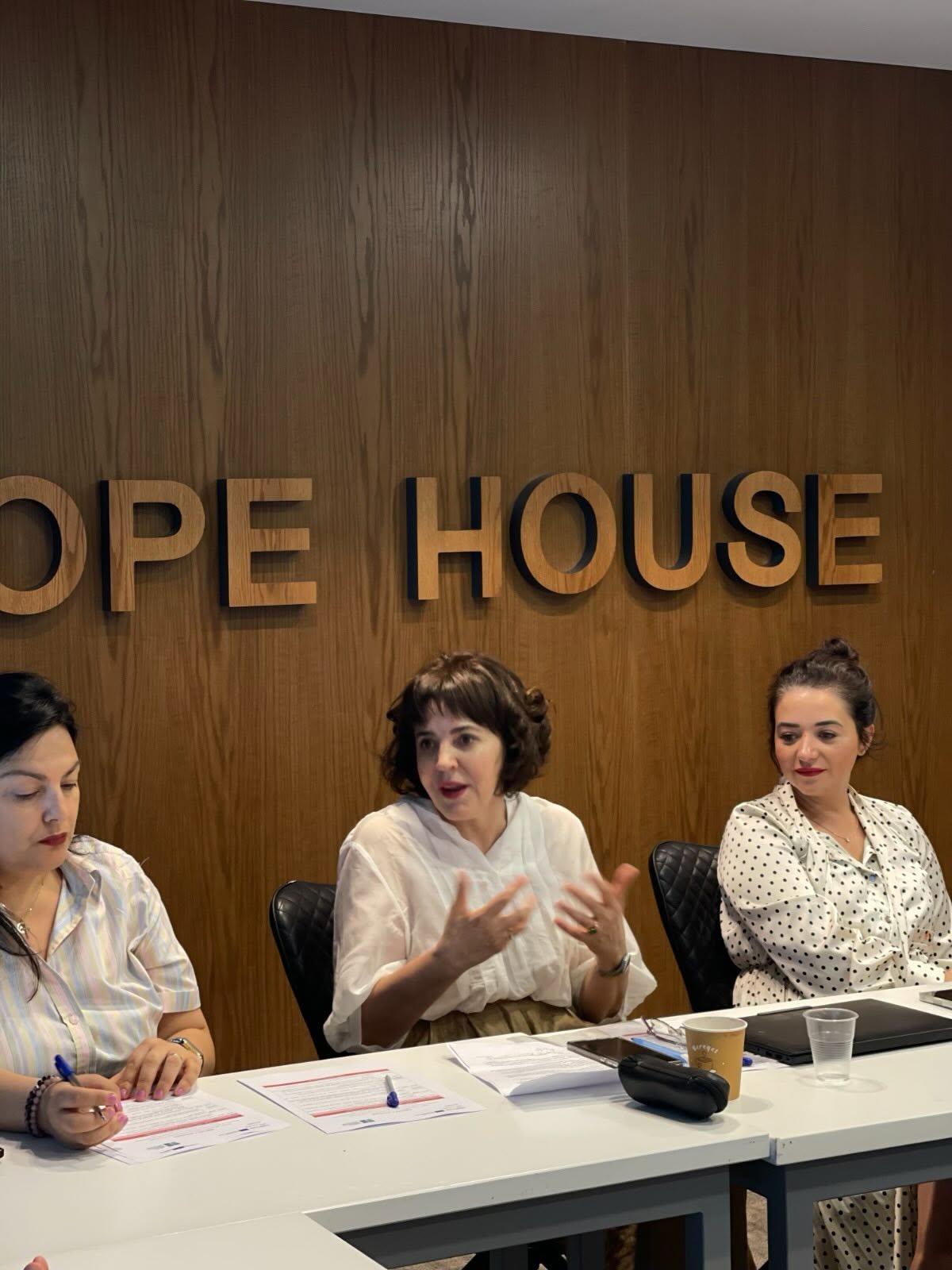
Urban Research Institute (URI) participated in the international training “Accessibility in Practice”, held at the Museum of Contemporary Art Termoli (MACTE), Italy, from 28–30 April 2026, within the framework of the Art4All project.
The training brought together partners from Italy, Albania, and Montenegro, focusing on strengthening inclusive approaches and improving accessibility in cultural and institutional spaces. The Art4All project is supported by the Interreg IPA South Adriatic Programme and aims to promote more open, accessible, and community-oriented cultural environments.
Throughout the three-day activity, participants worked on identifying physical, communicative, organizational, and social barriers, while also exploring concrete solutions and developing long-term strategies for more inclusive cultural institutions. The training agenda was structured around three main pillars: building a shared language on accessibility, transforming barriers into operational choices, and developing sustainable institutional strategies.

Various practical sessions and discussions among partners addressed:
- identifying barriers within museum spaces and internal institutional processes;
- practical approaches to accessibility solutions;
- integrating accessibility into communication, management, programming, and visitor experience;
- developing action plans and shared institutional policies.
The training was facilitated by accessibility expert Maria Chiara Ciaccheri and included interactive methodologies, case-study analysis, and exchange of experiences among partner institutions. An important aspect of the activity was the reflection on accessibility as a continuous institutional process rather than only a physical intervention in infrastructure.

At a time when cultural institutions are increasingly facing the need to create open and equal spaces for everyone, this training served as an important opportunity to reflect on how accessibility can be integrated into everyday institutional practices. Through cross-border dialogue and the exchange of experiences, partners shared concrete approaches and innovative ideas to make culture more accessible, inclusive, and closer to communities.
URI’s participation in this training further reinforces the institute’s commitment to promoting inclusive development, equal access to culture, and the advancement of policies and practices that place communities and diversity at the center of local and regional development.