URI at COP31 in Antalya
The Urban Research Institute (URI) participated in and contributed to COP31, the 31st Conference of the Parties to the United Nations Framework Convention on Climate Change (UNFCCC), held in Antalya, Türkiye. COP is the UNFCCC’s supreme decision-making body and the world’s foremost climate summit, bringing together governments, international institutions, the private sector, academia, and civil society to advance collective action under the Convention and the Paris Agreement.
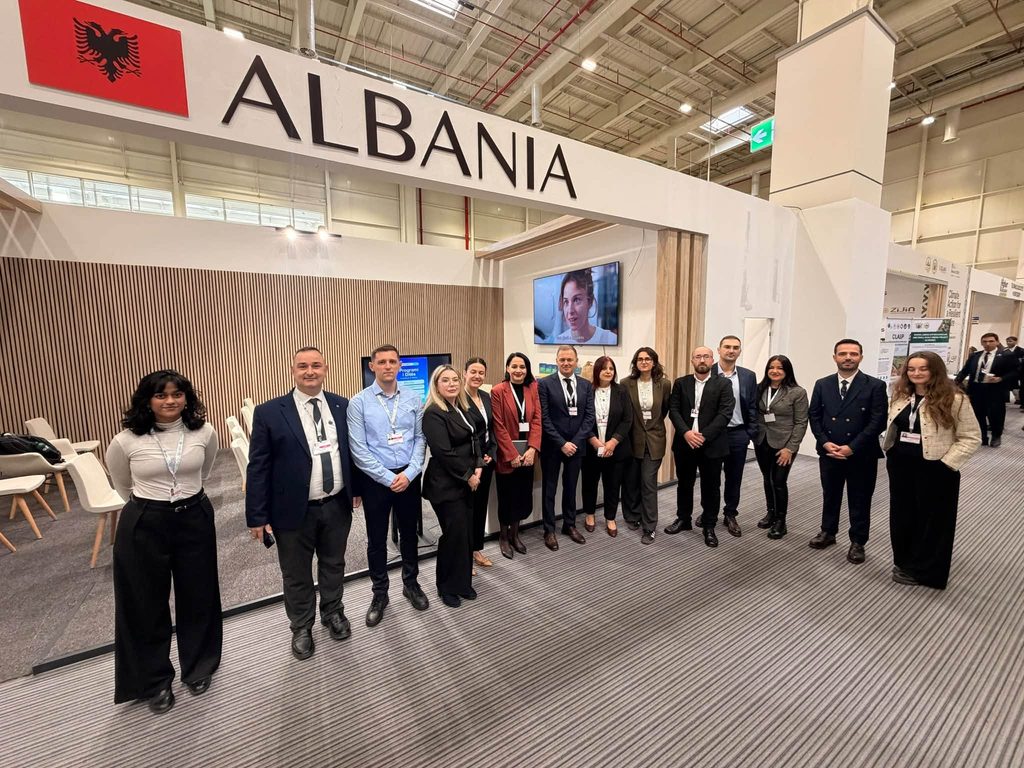
Albania Pavilion in the conference’s Blue Zone, organised by the Ministry of Environment, gave public institutions, international organisations, civil society, academia and business a platform to present Albania’s climate solutions. Topics ranged from the circular economy and water management to aligning Albania’s environmental legislation and policy with those of the European Union.
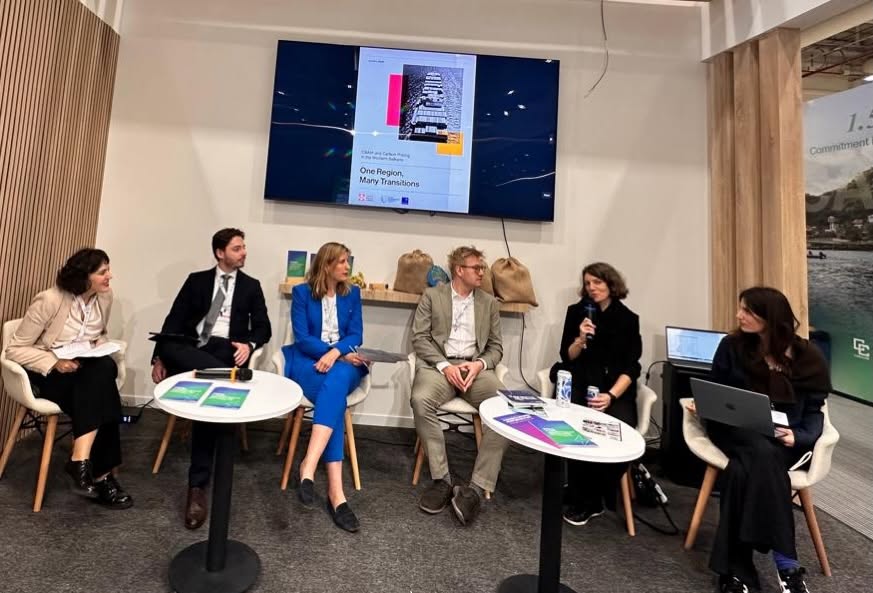
A regional dialogue on CBAM
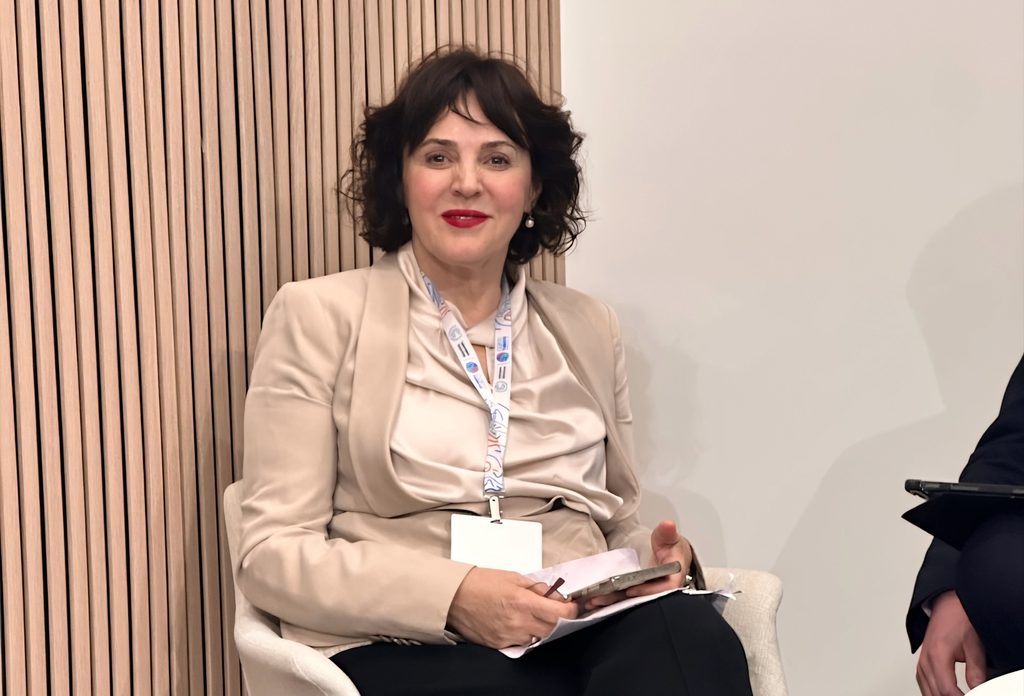
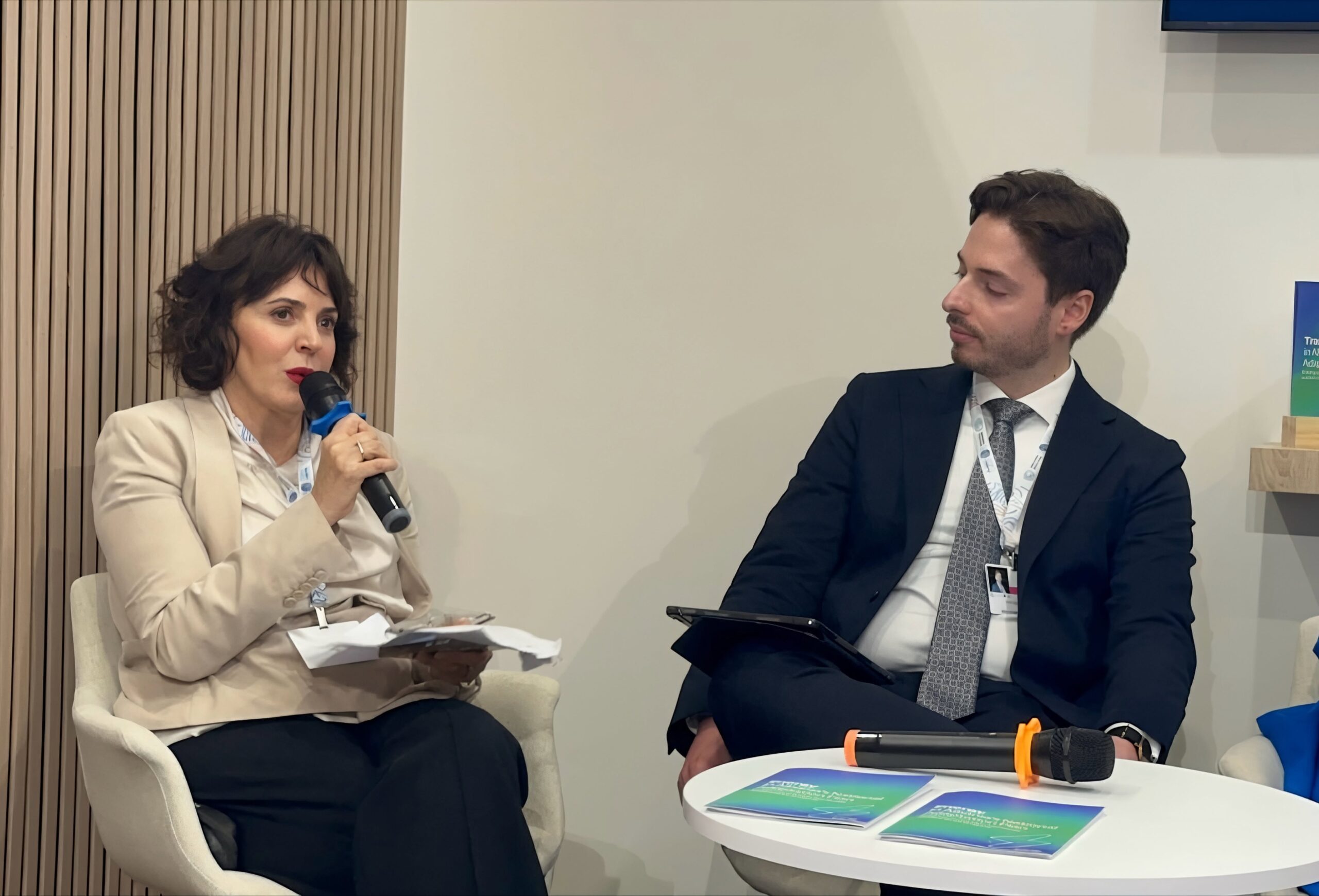
On 10 November, URI’s Executive Director, Zana Vokopola, took part in the regional panel “CBAM in the WB6: preparing industry and the EU’s new climate framework” at the Albania Pavilion. That day, the pavilion’s programme focused on the path to a decarbonised energy system, climate governance, CBAM and the transition in transport. The panel brought together experts, researchers and academics to examine what the EU’s Carbon Border Adjustment Mechanism (CBAM) means for the six Western Balkan economies (WB6).
CBAM is a cornerstone of the EU’s climate architecture. It puts a price on the carbon emitted when carbon-intensive goods entering the EU are produced. This means imports bear a carbon cost comparable to the one EU producers pay under the EU Emissions Trading System (EU ETS), which reduces the risk of carbon leakage. The mechanism began with a transitional, reporting-only phase in October 2023 and entered its definitive phase on 1 January 2026.
The EU is the Western Balkans’ largest trading partner, and the region’s economies are closely bound to it. For them, CBAM is no longer a distant prospect but a present-day economic reality. The discussion focused on how ready local operators are, particularly producers and exporters of cement, iron and steel, aluminium, fertilisers, electricity and hydrogen, the sectors the mechanism currently covers.
Participants also exchanged views on how countries in the region can build their own carbon pricing mechanisms. CBAM allows a carbon price effectively paid in the country of origin to be deducted from the obligation at the EU border. Well-designed domestic carbon pricing can therefore help keep carbon revenues, and the investment they can finance, within the region. For electricity, the prospect of a future exemption from CBAM is also closely tied to market coupling with the EU and the introduction of carbon pricing.
Looking ahead
For URI, COP31 was a valuable opportunity to bring evidence-based regional perspectives to a global forum, at a time when climate policy and economic competitiveness are increasingly intertwined. Through its research, policy analysis and technical expertise, URI will continue to support Albania in aligning with the EU’s environmental and climate acquis, mobilising climate finance and advancing a just, low-carbon transition.