
Where Community Breathes: Four Cities Stand Up for Urban Green Spaces
Urban green spaces are disappearing across cities in the Western Balkans and South East Europe, making urban areas hotter, less resilient and less liveable. As part of the project Climate Bridges – Network in Action partners from four cities are joining forces for the Green Spaces, Safe Places campaign from 5 to 9 October 2026.
From Tirana to Pula, four cities are inviting citizens to rediscover, protect and reimagine the green spaces that make urban life healthier, safer and more connected.
Years to Grow, One Day to Lose
The loss of urban green space is one of the most visible environmental challenges facing cities in the Western Balkans and South East Europe. Rapid construction keeps replacing parks, tree lines and open land with concrete. As a result, cities are hotter in summer and more exposed to flooding. They also have less clean air, less biodiversity and fewer places where people can meet. The “Green Spaces, Safe Places” campaign runs from 5 to 9 October 2026 as a joint response. It brings together partners of the Climate Bridges Network under one shared message: “Green space is not empty space. It’s where community breathes.”
For Climate Bridges, green spaces are much more than decoration. That is why the campaign goes beyond tree planting. It links greenery to health, safety and community life. It also invites people to take visible action in their own neighbourhoods.
Four Cities, One Region, One Goal
Each participating city is hosting activities built around its own green-space challenges, while staying connected to the regional campaign. Events take place in Tirana (Albania), Sarajevo (Bosnia and Herzegovina), Skopje (North Macedonia) and Pula (Croatia).
In Sarajevo, CENER 21 is running a week-long programme. From 5 to 9 October, citizens are mapping and photographing neglected green spaces through the online action “Green Spaces Out of Focus – Spot. Photograph. Map.” On 7 October, the Faculty of Agriculture and Food Sciences hosts a Green House Party. On 8 October, an urban gardening exhibition with the City of Sarajevo is followed by the “Sarajevo Hidden Gems” walk. The week ends on 9 October with a workshop on urban gardening and crop rotation at OPZ Sinergija Plus in Pazarić.
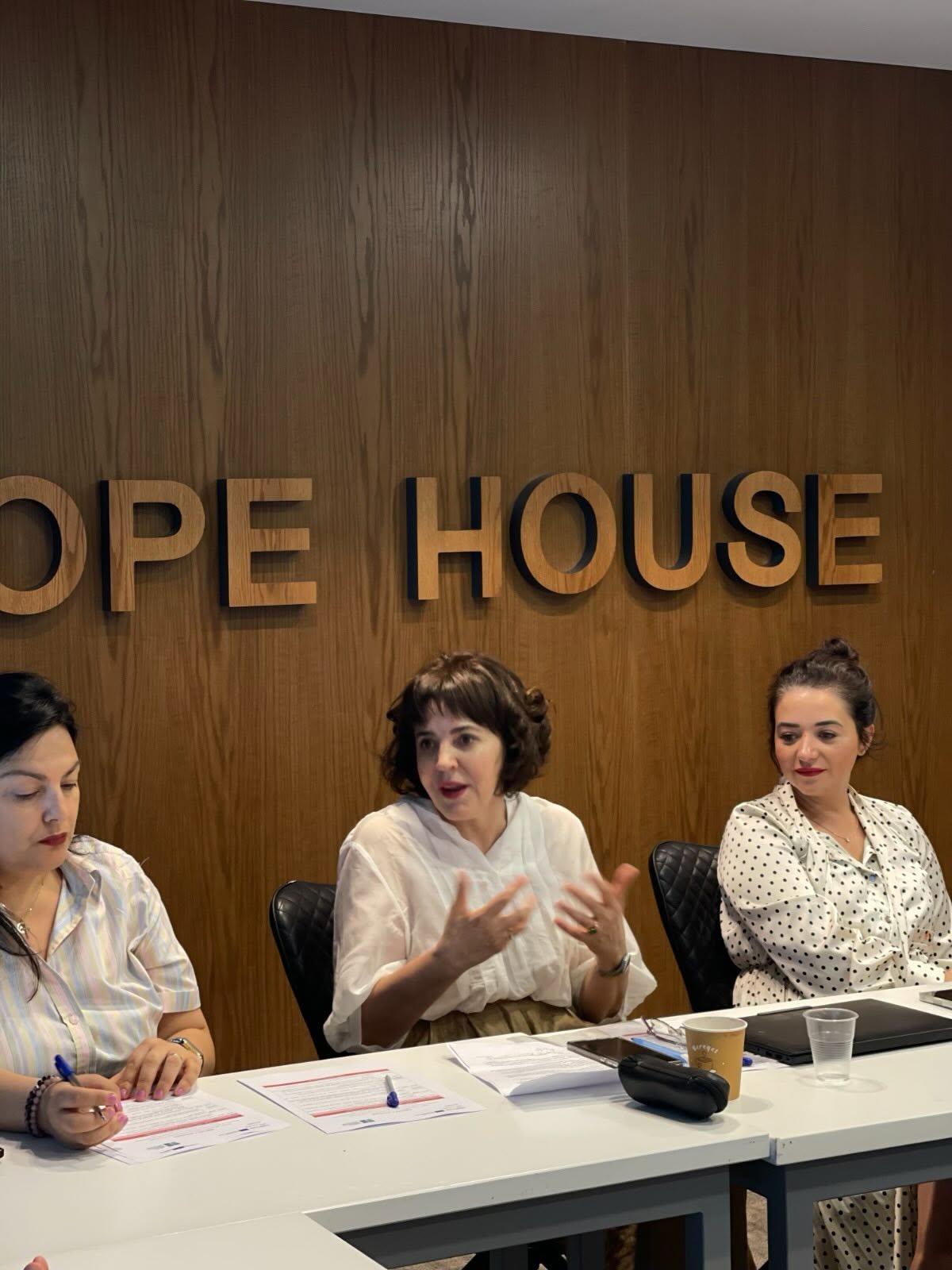
In Tirana, about 20 students will lead the conversation on the loss of green areas in their city. On 9 October, they will join the Urban Research Institute at the Faculty of Natural Sciences of the University of Tirana for a discussion and a short lecture on invasive species. On a walk through the city, they will photograph neglected corners and share ideas on how to transform them. Using tools such as AI, URI will turn these ideas into before/after visuals. These will help raise awareness and will be shared with decision-makers, so the students’ ideas can guide future improvements when conditions allow.
In Skopje, around 20 pupils will paint pots and plant greenery on 9 October. The event is organised by the Center for Climate Change, the Municipality of Karposh and Primary School “Lazo Trpovski“. A questionnaire will collect residents’ views on local green spaces for the Municipality, and three trees will be donated for planting in a public space.
In Pula, Zelena Istra will turn Valerijin park below the Arena into an open-air forum on 9 October. A citizens’ “Vision Board” will collect ideas for recommendations to the City. The day also includes the panel “Green Cities – Safe Cities” and the photo exhibition “The Living World of Pragrande“. Local civic initiatives will have stands, and there will be workshops for children.
Each city tailors its events to local needs, but together they give the region one strong voice for greener, safer and more resilient cities.
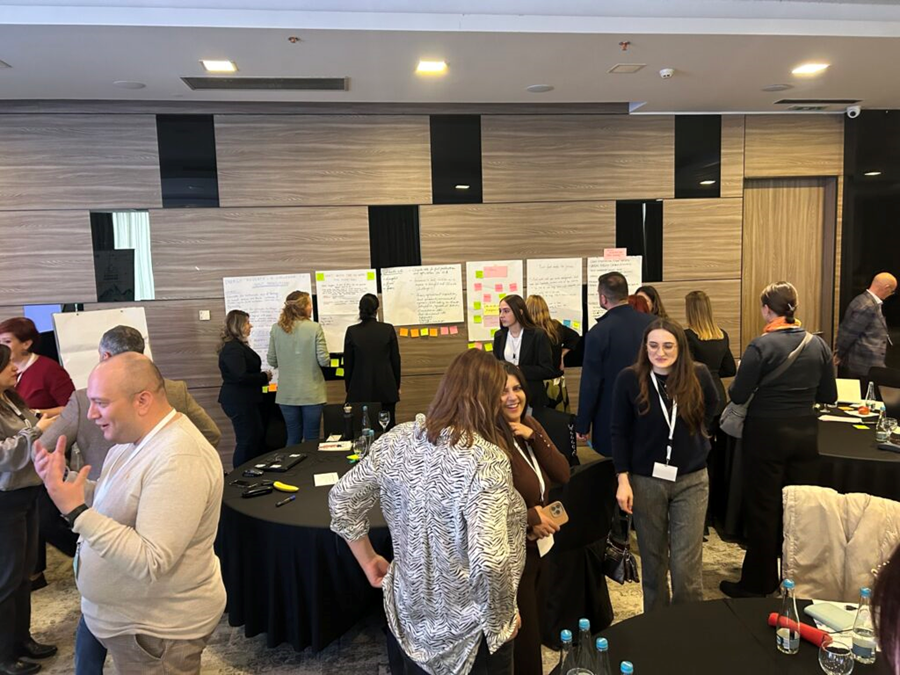
Climate Bridges meeting, Sarajevo, December 2025: Participants working in small groups on regional climate challenges and joint actions ©Climate Bridges Team
The Climate Bridges partners have been supporting the campaign with a joint social media series. The posts started with the problem. Trees that take years to grow can be lost in a single day. Many cities are green on paper but grey where it matters. And green space is not shared equally between neighbourhoods. The series then explained why this matters, from protection against heatwaves and sudden floods to health, safety and quality of life. It also introduced the 3-30-300 rule: three trees visible from every home, 30% tree canopy in every neighbourhood and a quality green space within 300 metres. Most cities in the region still fall short of this standard. Finally, it pointed to solutions already growing across the region. These include community gardens on empty plots, rain gardens that soak up storm water, green roofs and tree-lined streets. They are small changes with real impact.
Small Changes, Real Impact
“Green Spaces, Safe Places” builds on last year’s “Breathe Clean” campaign. “Breathe Clean” taught us that awareness alone is not enough: our events reached many people, but the conversation often ended when the event did. The new campaign took shape at the Climate Bridges meeting in Sarajevo in December 2025 and was then developed jointly by the partners.
This year, the campaign takes a different approach. Each city starts from places people know: a neglected corner, a park under threat, a schoolyard without shade. Instead of only informing citizens, we invite them to map, photograph, plant and propose solutions. Every event now leaves something behind: a visible result for the public and concrete input for local authorities.
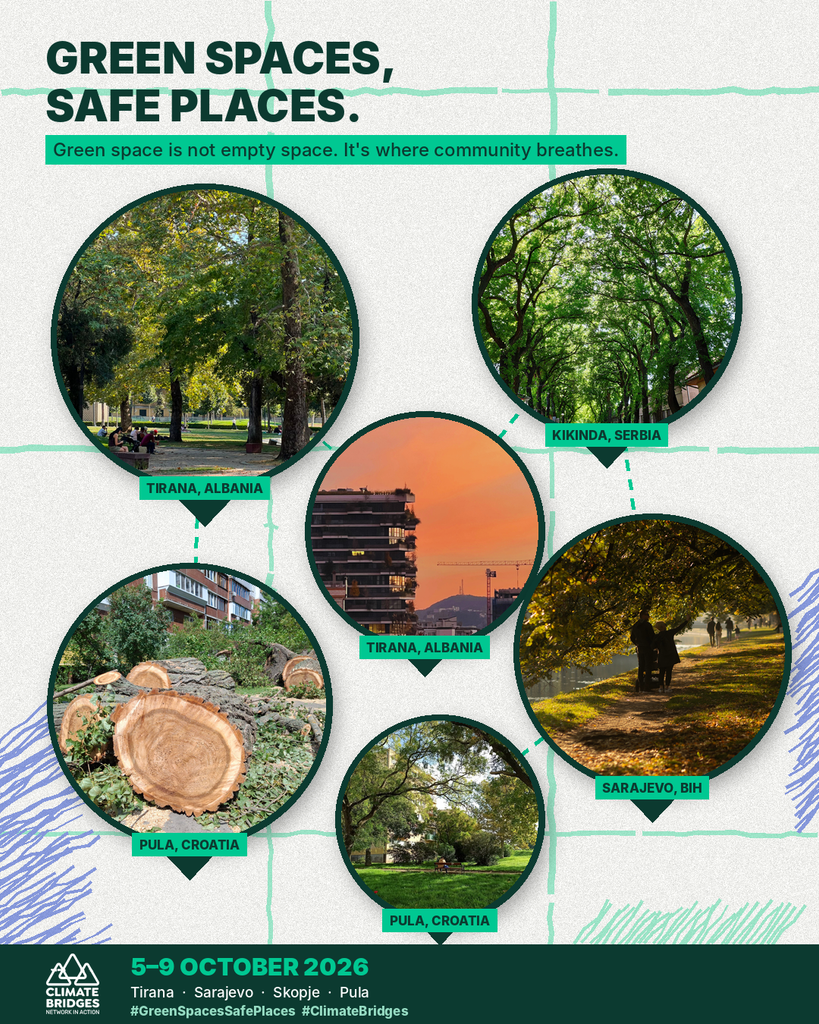
Green Spaces, Safe Places 2026: From Tirana to Sarajevo, Pula and Kikinda: the green spaces that make our cities healthier, safer and more connected, and the ones we risk losing © Climate Bridges Team
The campaign also brings together issues that are often treated separately: urban heat, flooding, air pollution, biodiversity loss and the shrinking of public space. All of them depend on how cities plan and protect their green areas. Because it starts from local places, the approach is easy to adapt, and other cities and regions can use it in their own context.
Let’s Protect It Together
The work does not end on 9 October. The maps, recommendations, survey findings and visuals from each city will be shared with local authorities. They will be a starting point for further dialogue. The partners will also keep sharing campaign materials and supporting local initiatives across the region.
In the end, the campaign will be measured by one thing: whether the voices collected this week help protect and create green spaces in our cities.
Get Involved: Learn more about the Climate Bridges Network and discover how you can get involved by exploring the network platform. For the latest updates and event agendas, visit our news section, or write to us at netw…@….com
The Climate Bridges Network continues to foster transnational climate action through enhanced cooperation among its members, working toward climate neutrality goals while strengthening democratic governance in the region.
Learn more about membership opportunities and how to get involved by visiting our website: https://climate-bridges.com/
This project is part of the European Climate Initiative (EUKI). The German Federal Government additionally contributes to the project through the Support for Climate Dialogue within the Framework of the Regional Climate Partnership with the Western Balkans, commissioned by the Federal Ministry for Economic Cooperation and Development (BMZ) and implemented by the Deutsche Gesellschaft für Internationale Zusammenarbeit (GIZ) GmbH.
by Marinela Spahiu, Climate Bridges Project, URI